Exploring First Time Home Buyer Programs: A Comprehensive Guide
Embark on a journey through the world of first time home buyer programs, where opportunities and possibilities await those seeking to make their dream of homeownership a reality. In this guide, we will delve into the intricacies of these programs, shedding light on the benefits, eligibility criteria, and much more.
As we navigate through the different types of programs, qualifications, application processes, and the myriad of benefits they offer, you will gain a deeper understanding of how first time home buyer programs can pave the way to your new home.
Overview of First Time Home Buyer Programs

First time home buyer programs are initiatives designed to help individuals who are purchasing a home for the first time. These programs offer various benefits and assistance to make homeownership more accessible and affordable.
Main Benefits of First Time Home Buyer Programs
First time home buyer programs provide several advantages to eligible participants:
- Down Payment Assistance: Many programs offer financial assistance to cover a portion of the down payment required for purchasing a home.
- Low Interest Rates: Participants may qualify for lower interest rates on their mortgage loans compared to traditional financing options.
- Reduced Closing Costs: Some programs help reduce the closing costs associated with buying a home, making it more affordable for first time buyers.
- Education and Counseling: Many programs provide educational resources and counseling services to guide first time home buyers through the purchasing process.
Eligibility Criteria for First Time Home Buyer Programs
While specific requirements may vary depending on the program, common eligibility criteria for first time home buyer programs include:
- Being a first-time home buyer, or not having owned a home in the past three years.
- Meeting income limits set by the program.
- Completing a homebuyer education course.
- Using the home as a primary residence.
Types of First Time Home Buyer Programs

There are various types of programs available to help first-time home buyers achieve their dream of homeownership. These programs can be classified into government-backed programs and private programs, each with its own set of benefits and requirements.
Government-Backed Programs
Government-backed programs are initiatives supported by federal or state governments to assist first-time home buyers in purchasing a home. These programs often offer lower interest rates, reduced down payment requirements, and other financial incentives to make homeownership more accessible.
- FHA Loans: Insured by the Federal Housing Administration, FHA loans are popular among first-time buyers due to their low down payment requirements.
- VA Loans: Guaranteed by the Department of Veterans Affairs, VA loans are available to eligible veterans, active-duty service members, and their families with favorable terms.
- USDA Loans: Offered by the U.S. Department of Agriculture, USDA loans are designed to help buyers in rural areas with low to moderate incomes purchase a home with zero down payment.
Private Programs
Private programs are typically offered by banks, credit unions, or mortgage lenders to assist first-time home buyers with financing options. These programs may have more flexible eligibility requirements and offer competitive interest rates.
- Conventional Loans: Provided by private lenders, conventional loans are not backed by the government and may require higher down payments but offer flexibility in terms and conditions.
- Down Payment Assistance Programs: Various organizations and lenders offer down payment assistance programs to help buyers cover the upfront costs of purchasing a home.
- Local First-Time Home Buyer Programs: Many cities and counties have specific programs that provide financial assistance, grants, or tax credits to first-time home buyers in the area.
How to Qualify for First Time Home Buyer Programs
To qualify for first time home buyer programs, there are typical requirements that applicants need to meet. These programs are designed to assist individuals in purchasing their first home, so it's important to understand the criteria for eligibility.
Income Limits and Credit Score Expectations
- Income Limits: First time home buyer programs often have income limits in place to ensure that assistance is provided to those who truly need it. These limits vary depending on the program and location, so it's essential to check the specific requirements in your area.
- Credit Score: A good credit score is crucial when applying for these programs. While the minimum score can vary, most programs require a credit score of at least 580. It's advisable to work on improving your credit score before applying for these programs.
Tips for Improving Eligibility
- Pay Off Debt: Lowering your debt-to-income ratio can improve your chances of qualifying for a first time home buyer program.
- Save for a Down Payment: Having a substantial down payment can make you a more attractive candidate for these programs.
- Attend Homebuyer Education Courses: Some programs require applicants to complete homebuyer education courses, which can also provide valuable information on the home buying process.
Application Process for First Time Home Buyer Programs

When applying for First Time Home Buyer Programs, there are several steps that you need to follow to ensure a smooth process. It is essential to understand the requirements and gather all the necessary documentation before submitting your application.
Steps for Applying
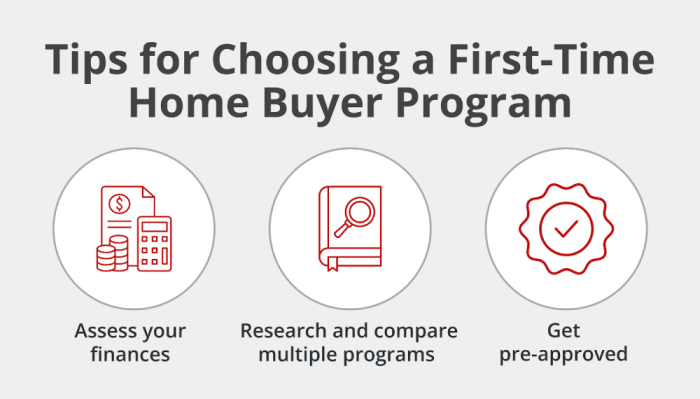
- Research: Begin by researching different First Time Home Buyer Programs available in your area. Compare the eligibility criteria, benefits, and application process to find the best fit for your needs.
- Pre-approval: Get pre-approved for a mortgage to determine how much you can afford to borrow. This will also show sellers that you are a serious buyer.
- Complete Application: Fill out the application form for the chosen program accurately and provide all required information.
- Submit Documentation: Gather documents such as proof of income, tax returns, bank statements, and identification to support your application.
- Attend Homebuyer Education: Some programs require applicants to attend homebuyer education courses to learn about the home buying process.
- Wait for Approval: After submitting your application, wait for the program administrators to review and approve your request.
- Closing: If your application is approved, you can proceed to closing the deal on your new home.
Documentation Needed
- Proof of Income: Pay stubs, W-2 forms, or tax returns to verify your income.
- Identification: A copy of your driver's license, passport, or other government-issued ID.
- Bank Statements: Provide recent bank statements to show your financial stability.
- Tax Returns: Submit your most recent tax returns to demonstrate your financial history.
- Credit Report: Some programs may require a copy of your credit report to assess your creditworthiness.
Common Pitfalls to Avoid
- Missing Information: Make sure to fill out the application form completely and provide all requested documentation to avoid delays.
- Ignoring Deadlines: Be mindful of application deadlines and submit your application in a timely manner to be considered for the program.
- Not Seeking Help: If you are unsure about any part of the application process, don't hesitate to seek assistance from housing counselors or program administrators.
- Overlooking Eligibility Criteria: Carefully review the eligibility requirements for each program to ensure that you qualify before applying.
Benefits of First Time Home Buyer Programs

First time home buyer programs offer a range of benefits beyond just financial assistance. These programs provide opportunities for individuals to achieve their dream of homeownership and create stability for themselves and their families.
Advantages of First Time Home Buyer Programs
- Assistance with down payment and closing costs, making homeownership more affordable for first-time buyers.
- Access to lower interest rates and favorable loan terms, helping buyers save money over the life of the mortgage.
- Education and counseling services to help buyers navigate the home buying process and become informed homeowners.
- Protection and support in case of financial difficulties, providing a safety net for new homeowners.
Long-Term Benefits for First Time Home Buyers
- Building equity and wealth over time, as homeownership is a valuable asset that can appreciate in value.
- Stability and security for families, creating a sense of belonging and pride in their own home.
- Potential tax benefits, such as deductions for mortgage interest and property taxes, leading to savings for homeowners.
Success Stories of Individuals Utilizing First Time Home Buyer Programs
Many individuals have successfully purchased their first homes through these programs and have experienced the life-changing benefits of homeownership. From young families to single professionals, first time home buyer programs have made a significant impact on their lives by providing the support and resources needed to achieve their homeownership goals.
Last Word
In conclusion, first time home buyer programs serve as beacons of hope for aspiring homeowners, providing not just financial assistance but also invaluable opportunities for growth and stability. By taking advantage of these programs, individuals can embark on a path towards homeownership with confidence and support.
Question Bank
What are the income limits for first time home buyer programs?
Income limits vary depending on the specific program, but generally, they are set to ensure assistance is provided to those in need. It's advisable to check with individual programs for precise details.
Are there any specific credit score requirements for these programs?
Credit score expectations can vary, with some programs being more flexible than others. It's recommended to work on improving your credit score to increase your chances of qualifying.
How can I enhance my eligibility for first time home buyer programs?
To improve eligibility, focus on maintaining a good credit score, managing your finances responsibly, and staying informed about available programs and their requirements.